Q1BasicCarbon count
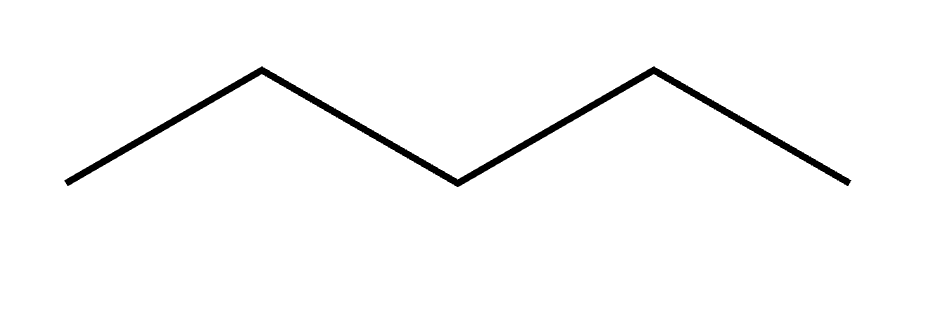
How many carbons are in this bond-line structure?
Show answer
5 carbons.
There are two endpoints and three internal corners. Each endpoint or corner represents one carbon unless another atom is written.
Structure and Bonding · Practice Workbook
Twenty focused questions on reading, counting, and interpreting bond-line structures. Use these before moving into formal charge and resonance.
Rule to remember
Every endpoint and corner is a carbon unless another atom is written. Hydrogens on carbon are usually hidden.
How to use this page
Try each question first. Then open the answer. If you miss a question, write down the exact rule you forgot: endpoint, corner, heteroatom, hidden hydrogen, or multiple bond. Tally up the number of mistakes, and keep practicing!
Part A
How many carbons are in this bond-line structure?
5 carbons.
There are two endpoints and three internal corners. Each endpoint or corner represents one carbon unless another atom is written.
How many carbons are in this branched structure?
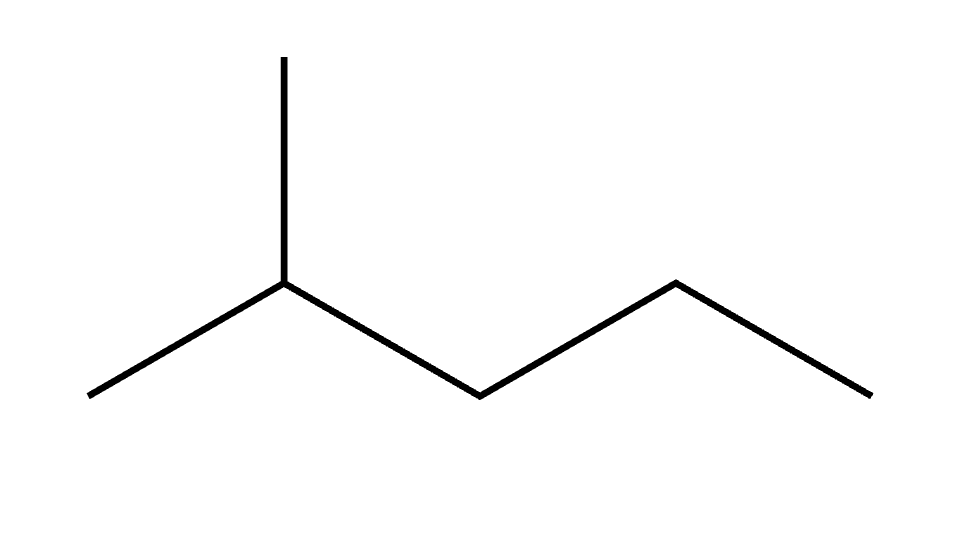
6 carbons.
The main zigzag has five carbons. The downward branch adds one more carbon at its endpoint.
How many hydrogens are attached to the marked carbon?
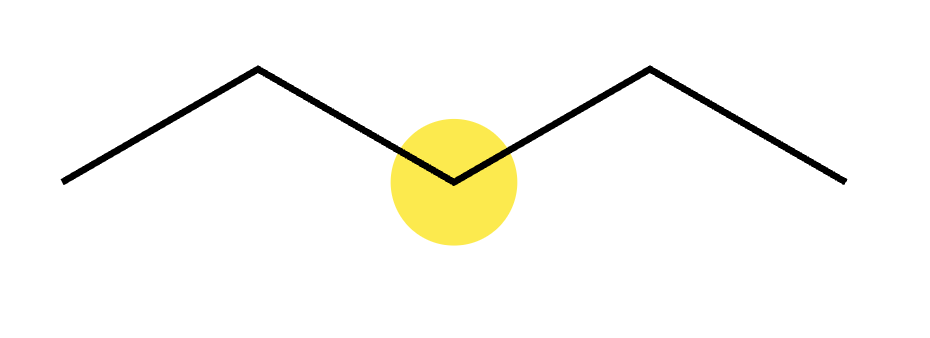
2 hydrogens.
The marked carbon has two single bonds to other carbons. Carbon wants four bonds total, so two hydrogens are hidden.
How many hydrogens are attached to the marked terminal carbon?
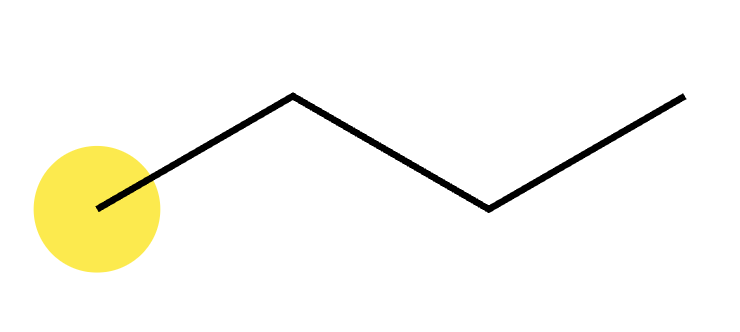
3 hydrogens.
A terminal carbon with one single bond needs three hydrogens to reach four total bonds.
Identify the multiple bond shown in this structure.
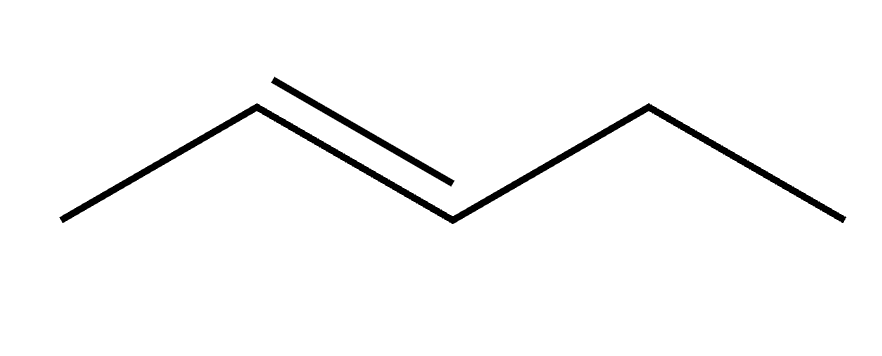
A carbon-carbon double bond.
Two parallel lines between the same two carbons represent a double bond. This makes the structure an alkene.
Identify the multiple bond shown in this structure.
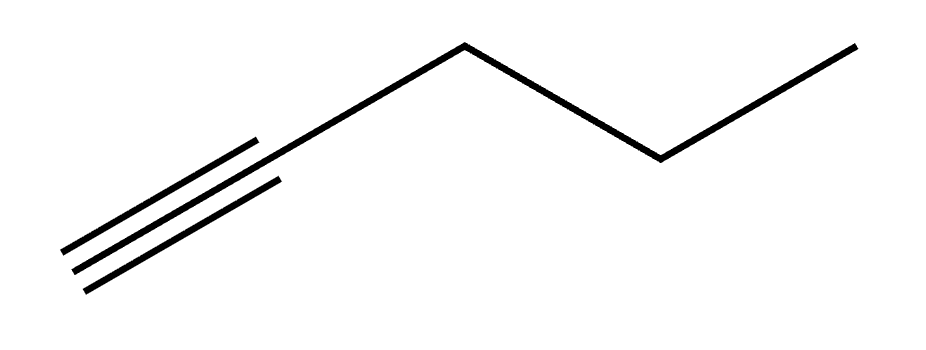
A carbon-carbon triple bond.
Three parallel lines between the same two carbons represent a triple bond. This makes the structure an alkyne.
How many carbons are in this alcohol? Do not count oxygen as carbon.
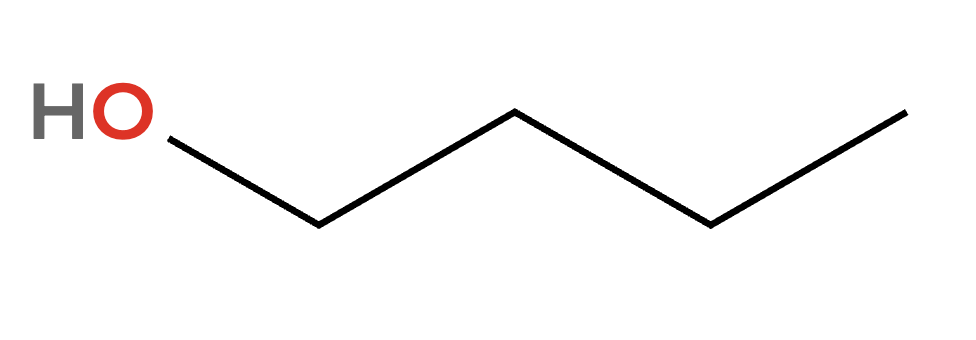
4 carbons.
The zigzag has four carbon positions. The written OH is a heteroatom group, not an extra carbon.
How many carbons are in this ether?
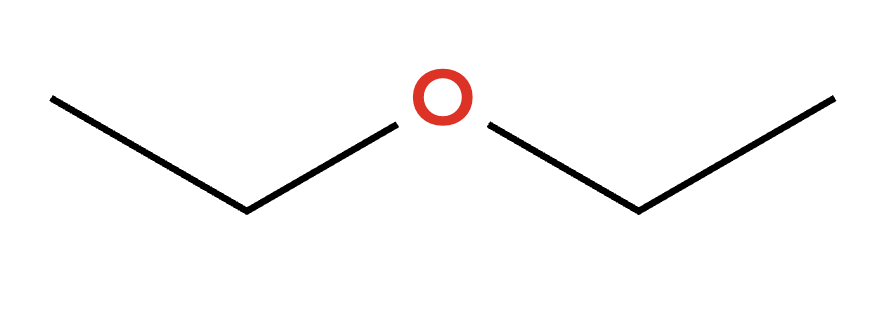
4 carbons.
There are two carbons on each side of the oxygen. Oxygen is written explicitly and is not counted as carbon.
How many total carbons are in this carbonyl-containing molecule?
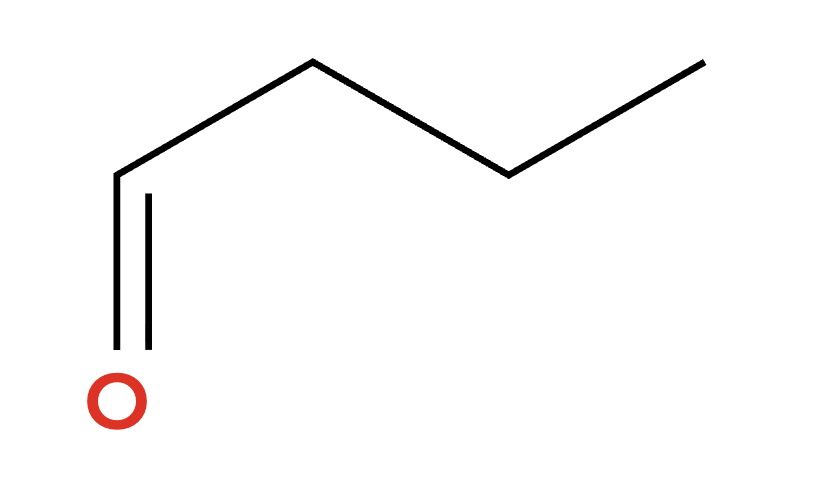
4 carbons.
The carbonyl carbon is the atom at the base of the double-bonded oxygen. Then the chain continues through three more carbons.
How many carbons are in this ring?
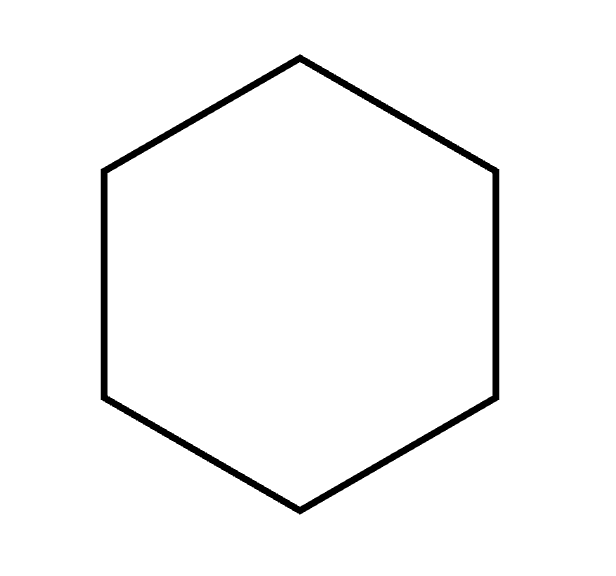
6 carbons.
Every corner of the hexagon is a carbon. A six-membered carbon ring has six carbons.
Part B
How many hydrogens are on each alkene carbon in this ring double bond?
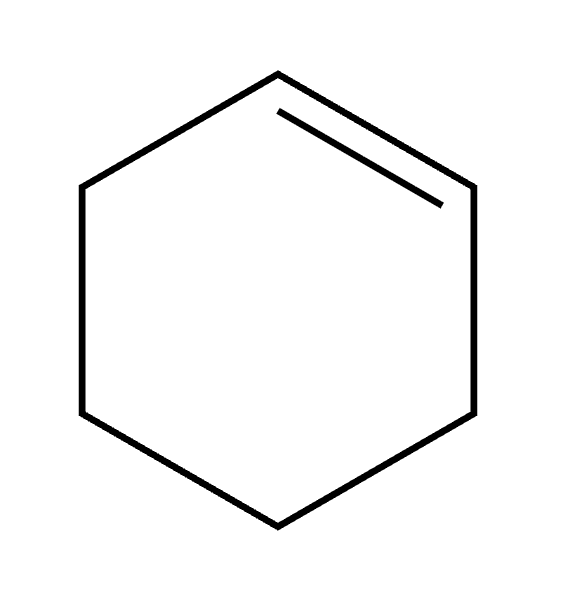
1 hydrogen on each alkene carbon.
Each alkene carbon is bonded to one ring carbon by a single bond and to the other alkene carbon by a double bond. That gives three bonds drawn, so each has one hidden hydrogen.
What changed from reactant to product?

Br was replaced by OH; the carbon skeleton stayed the same.
The three-carbon chain is unchanged. Only the group attached to the terminal carbon changed from bromine to hydroxyl.
Convert the expanded formula shown into a bond-line drawing. How many endpoints/corners should the bond-line drawing have?
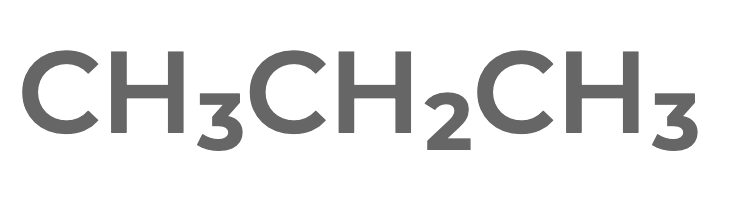
Three carbons: two endpoints and one internal corner.
CH₃-CH₂-CH₃ is propane. In bond-line form, it has three carbon positions.
What is wrong with this bond-line drawing style for a normal hydrocarbon?
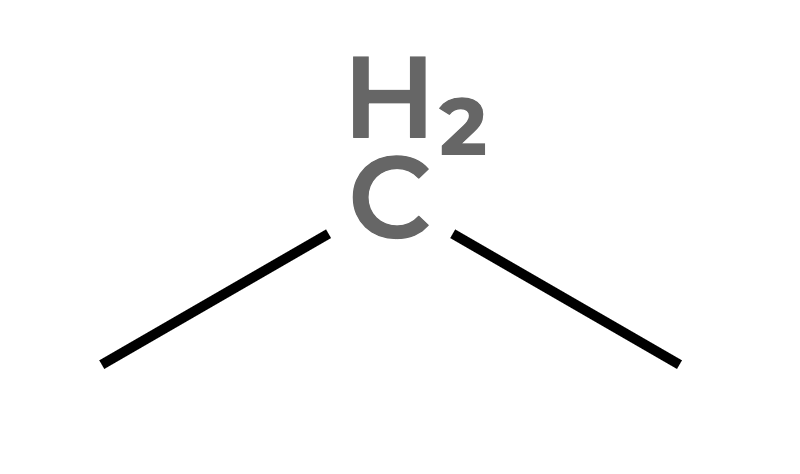
The carbons should not be written as CH2 in a normal bond-line hydrocarbon.
Carbon atoms are implied at endpoints and corners. You usually write heteroatoms, charges, and necessary hydrogens, not every carbon.
Part C
In a straight bond-line chain with 4 carbons, how many endpoints are present?
2 endpoints.
A non-ring chain always has two ends. The remaining carbons are internal corners or bends.
In a zigzag bond-line drawing, what does an unlabeled corner represent?
A carbon atom with enough hidden hydrogens to make four bonds.
This is the main shortcut of bond-line drawings. Corners are carbons unless another atom is written there.
A carbon in a bond-line structure has one double bond and one single bond to other atoms. How many hydrogens does it usually have?
1 hydrogen.
A double bond counts as two bonds and a single bond counts as one. That makes three bonds, so one hydrogen is added to reach four.
A carbon in a bond-line structure has one triple bond to another carbon. It is terminal. How many hydrogens does it have?
1 hydrogen.
A terminal alkyne carbon has three bonds from the triple bond and one hidden hydrogen. Total bond count is four.
In bond-line drawings, are hydrogens attached to oxygen usually hidden like hydrogens on carbon?
No. Hydrogens on heteroatoms are usually shown.
Carbon hydrogens are usually hidden. Hydrogens attached to O, N, S, and halogens are normally written because they affect charge, acidity, and reactivity.
A molecule is drawn as a pentane chain with an alcohol at carbon 2. How many carbons and oxygens does it contain?
5 carbons and 1 oxygen.
The five-carbon chain gives five carbons. The OH group contributes one oxygen and one hydrogen, not another carbon.
Next lesson
Now that you can read bond-line structures, the next step is learning how to assign formal charge. This section teaches the rule, the formula, and how to recognize charged atoms in organic molecules.
Start Formal Charge Lesson