Organic Chemistry I · Lesson 02
Functional Groups and Formal Charge
Formal charge tells you whether an atom has the number of electrons it is expected to have. If you miss formal charges, your resonance structures, acid-base reactions, and mechanisms will be wrong.
Learning Goals
- Recognize the most common functional groups in Organic Chemistry I.
- Connect functional groups to expected reactivity.
- Define formal charge.
- Use the formal charge formula correctly.
- Count valence electrons, lone pairs, and bonds.
- Recognize common charge patterns for C, N, O, and halogens.
- Avoid common incorrect structures.
- Identify missing charges in drawings.
Section 1
What Are Functional Groups?
A functional group is a specific atom or group of atoms that gives an organic molecule predictable chemical behavior. Carbon skeletons can be large or small, but the functional group is usually the part of the molecule that controls acidity, basicity, polarity, boiling point, and reaction type.
This is the part I really want to land, because it is what keeps organic chemistry from being pure memorization. Once you recognize the functional group, you can predict what kind of chemistry that molecule is likely to undergo.
Main idea
Think of functional groups as the reactive labels of organic molecules. I want you recognizing them fast, because every later lesson (resonance, acids and bases, substitution, elimination, carbonyl chemistry) leans on them.
Section 2
Functional Groups to Know
These are the functional groups I want you recognizing early. You do not need to know every reaction yet, but you should be able to spot the pattern in a structure.

Alkane
Pattern: C-C and C-H single bonds only
Recognize it: No heteroatoms, no π bonds, no special reactive group.
Example: CH₃CH₃

Alkene
Pattern: C=C
Recognize it: A carbon-carbon double bond.
Example: CH₂=CH₂

Alkyne
Pattern: C≡C
Recognize it: A carbon-carbon triple bond.
Example: HC≡CH
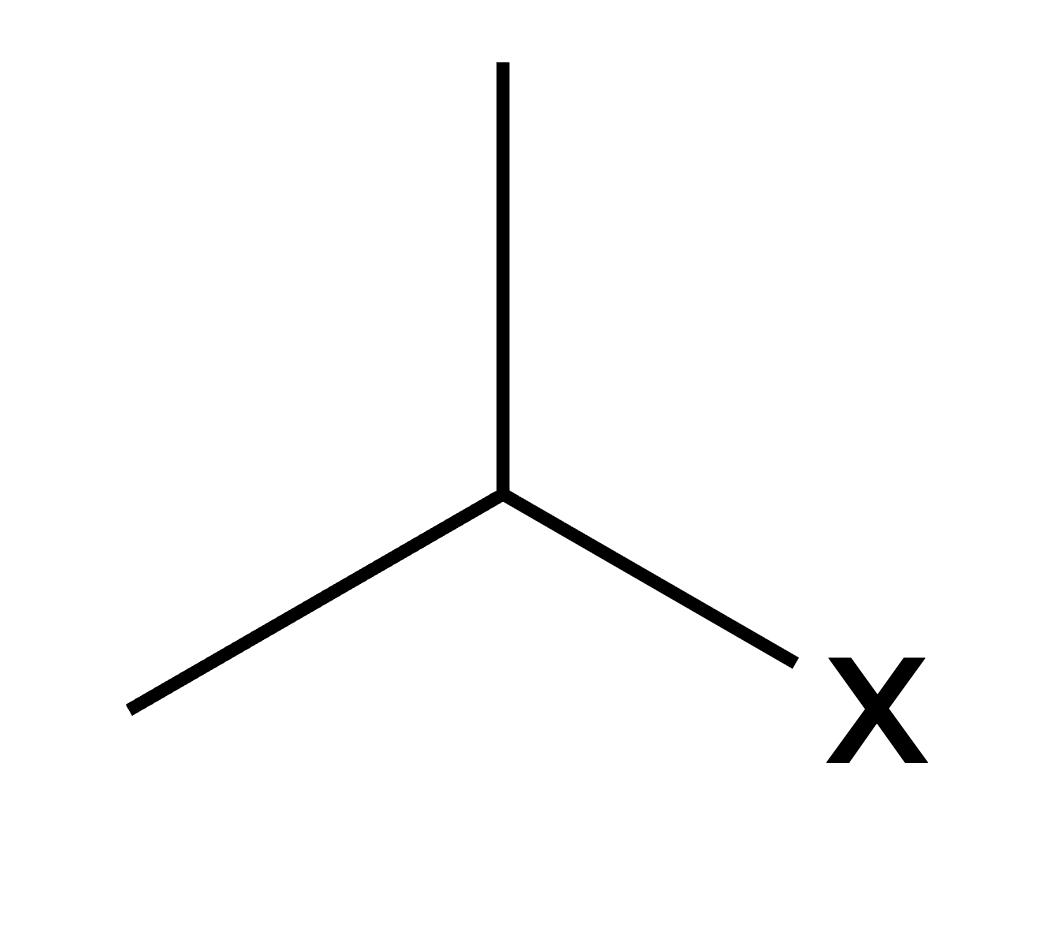
Alkyl halide
Pattern: C-X
Recognize it: A carbon bonded to F, Cl, Br, or I.
Example: CH₃Br
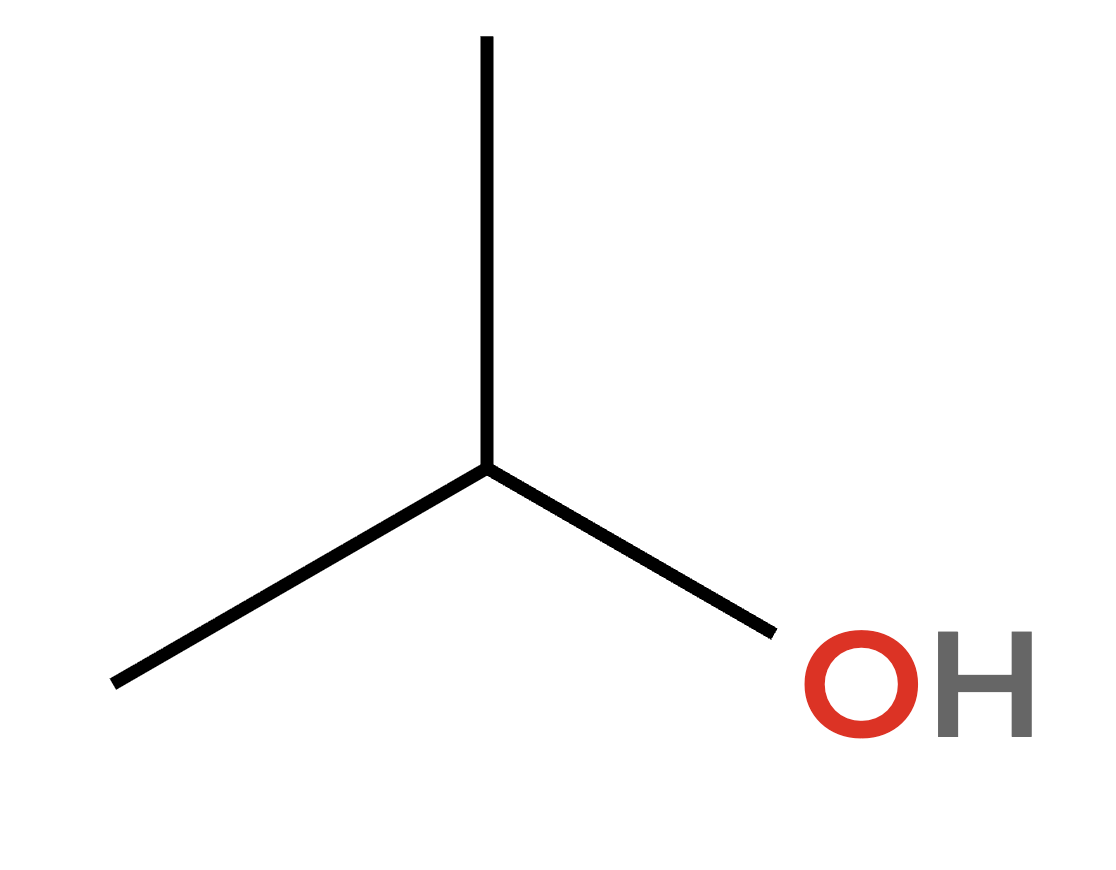
Alcohol
Pattern: R-OH
Recognize it: An OH group attached to carbon.
Example: CH₃OH
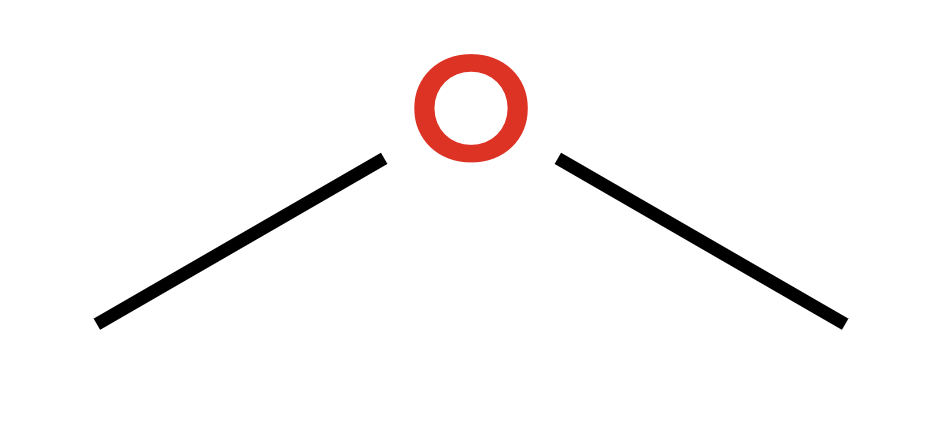
Ether
Pattern: R-O-R
Recognize it: An oxygen single-bonded between two carbons.
Example: CH₃OCH₃
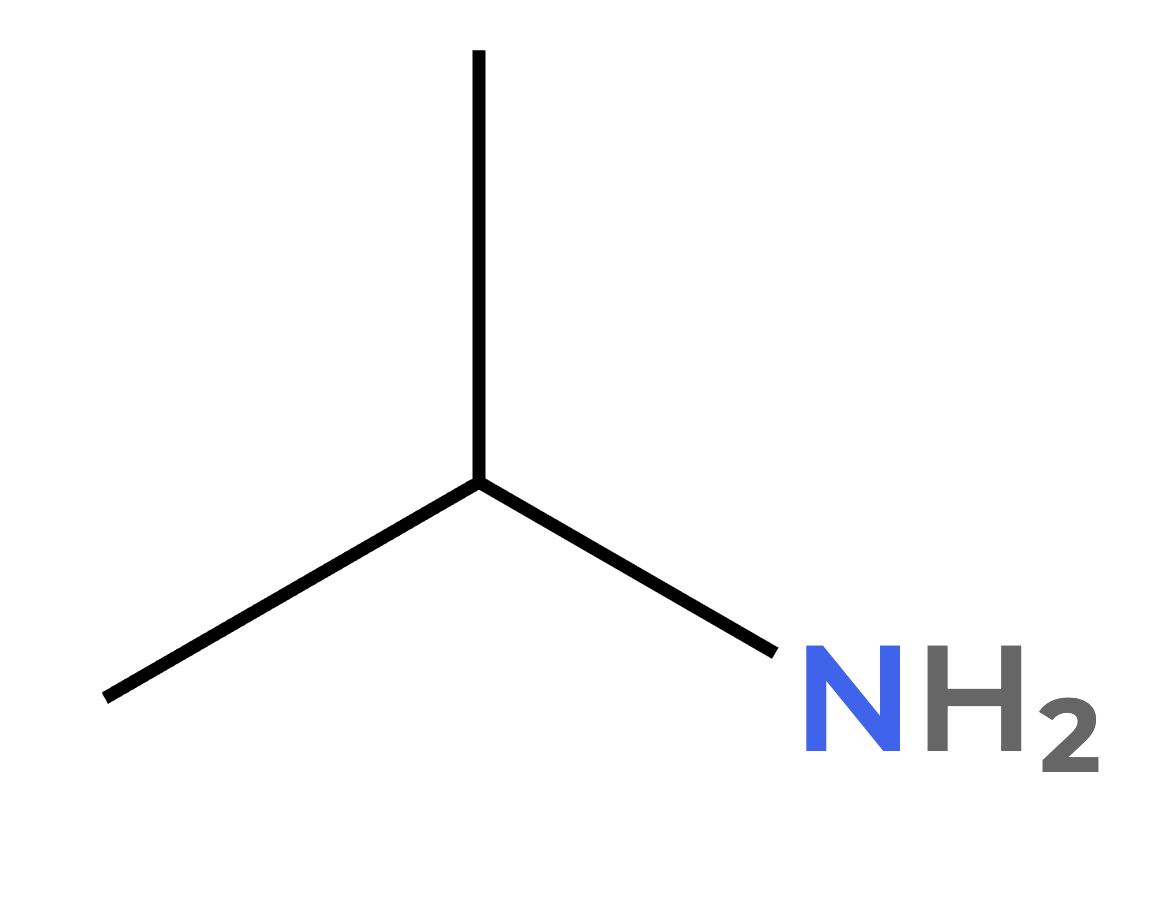
Amine
Pattern: R-NH₂, R₂NH, or R₃N
Recognize it: A nitrogen bonded to carbon and/or hydrogen.
Example: CH₃NH₂
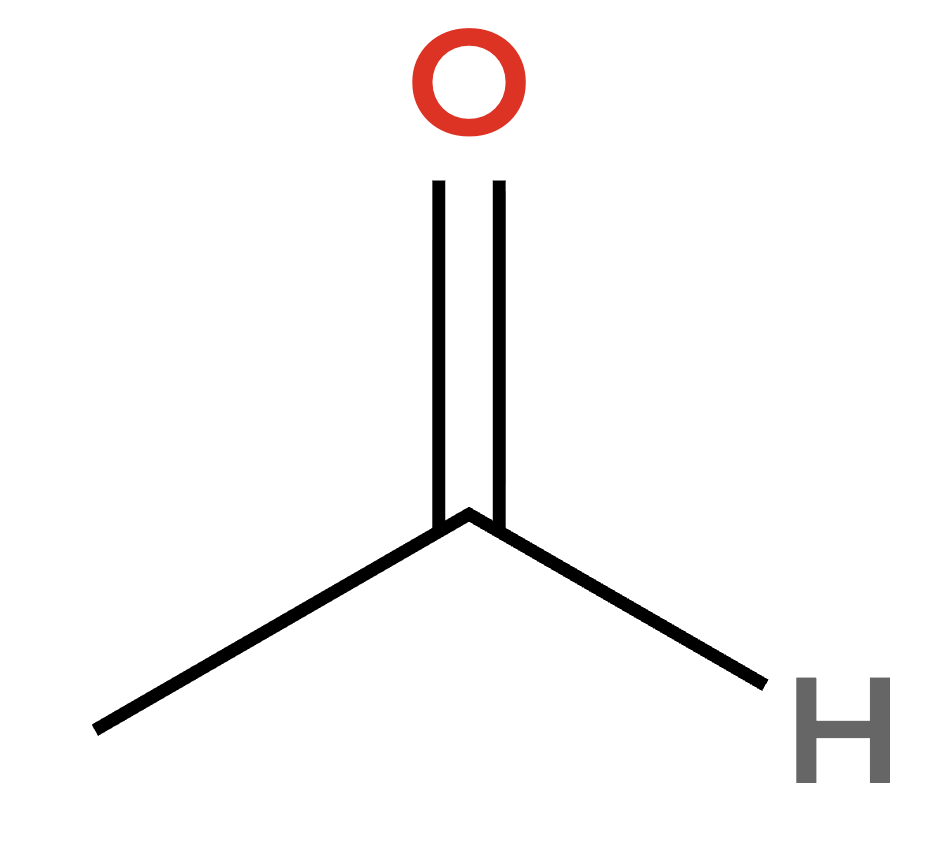
Aldehyde
Pattern: R-CHO
Recognize it: A carbonyl with at least one hydrogen attached to the carbonyl carbon.
Example: CH₃CHO
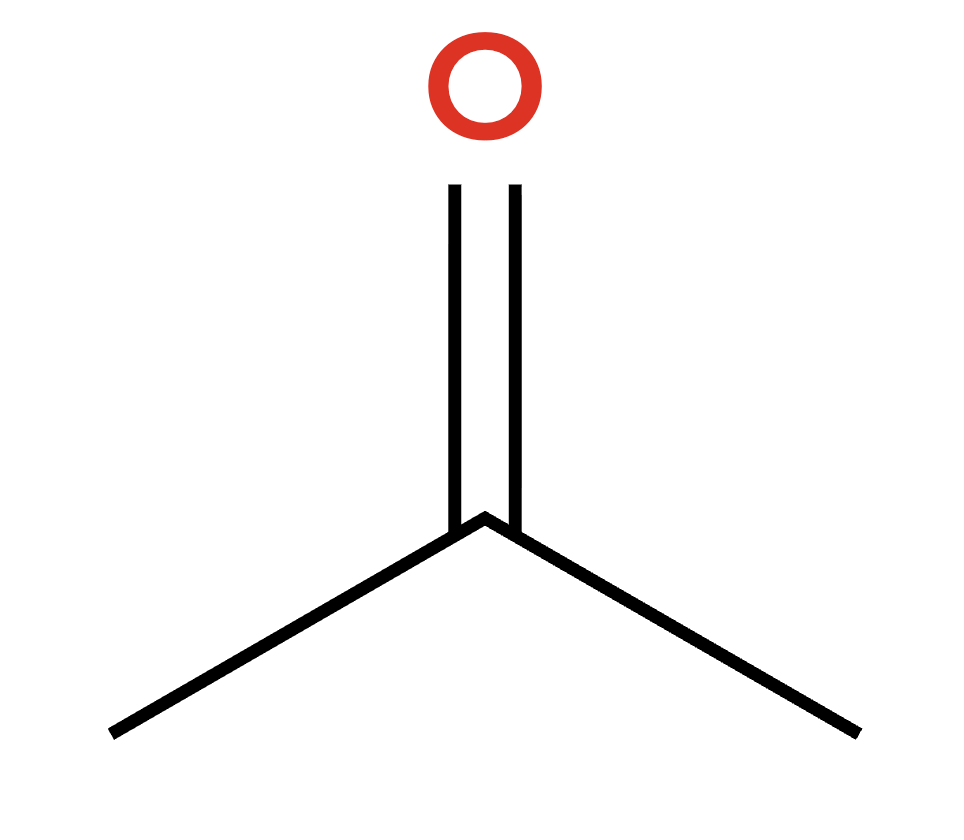
Ketone
Pattern: R-CO-R
Recognize it: A carbonyl carbon bonded to two carbons.
Example: CH₃COCH₃

Carboxylic acid
Pattern: R-COOH
Recognize it: A carbonyl and OH on the same carbon.
Example: CH₃COOH
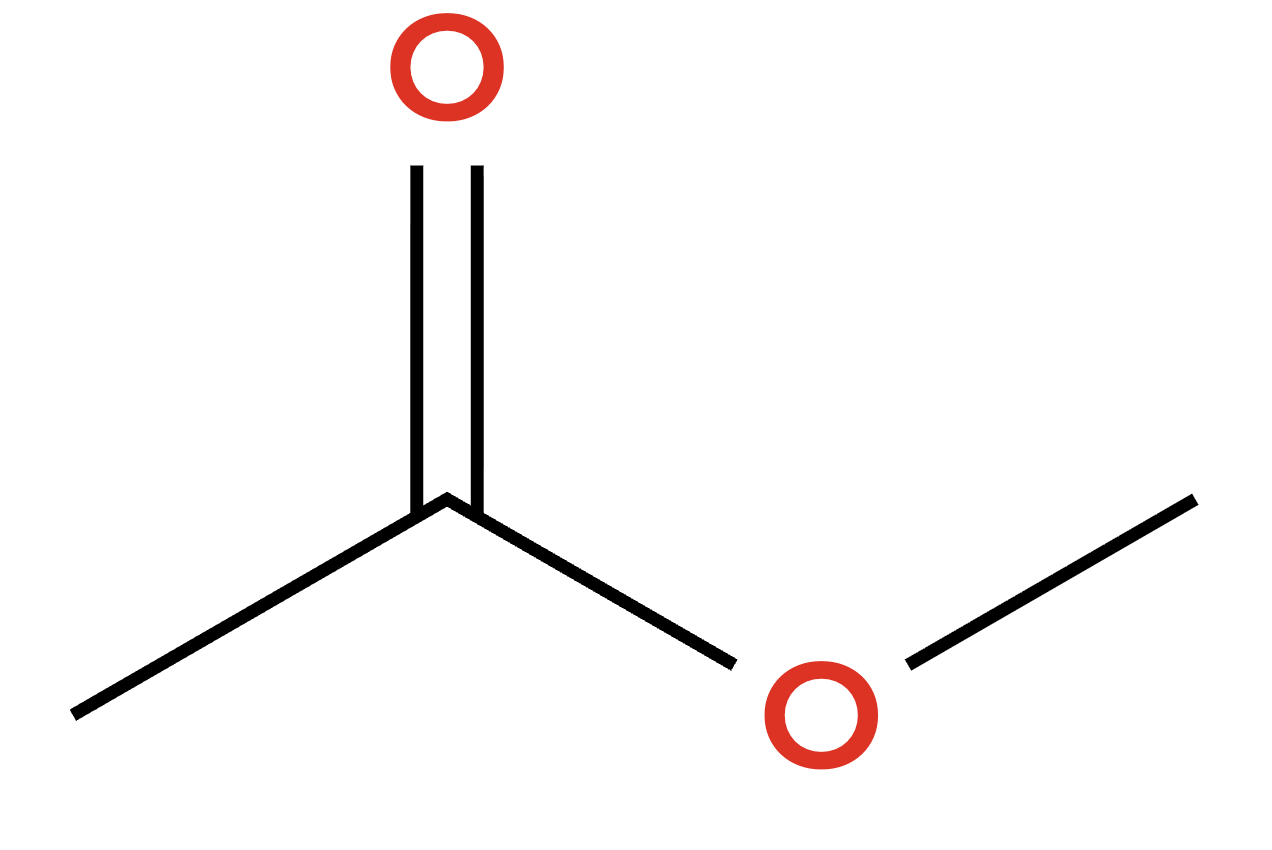
Ester
Pattern: R-COOR
Recognize it: A carbonyl attached to an OR group.
Example: CH₃COOCH₃
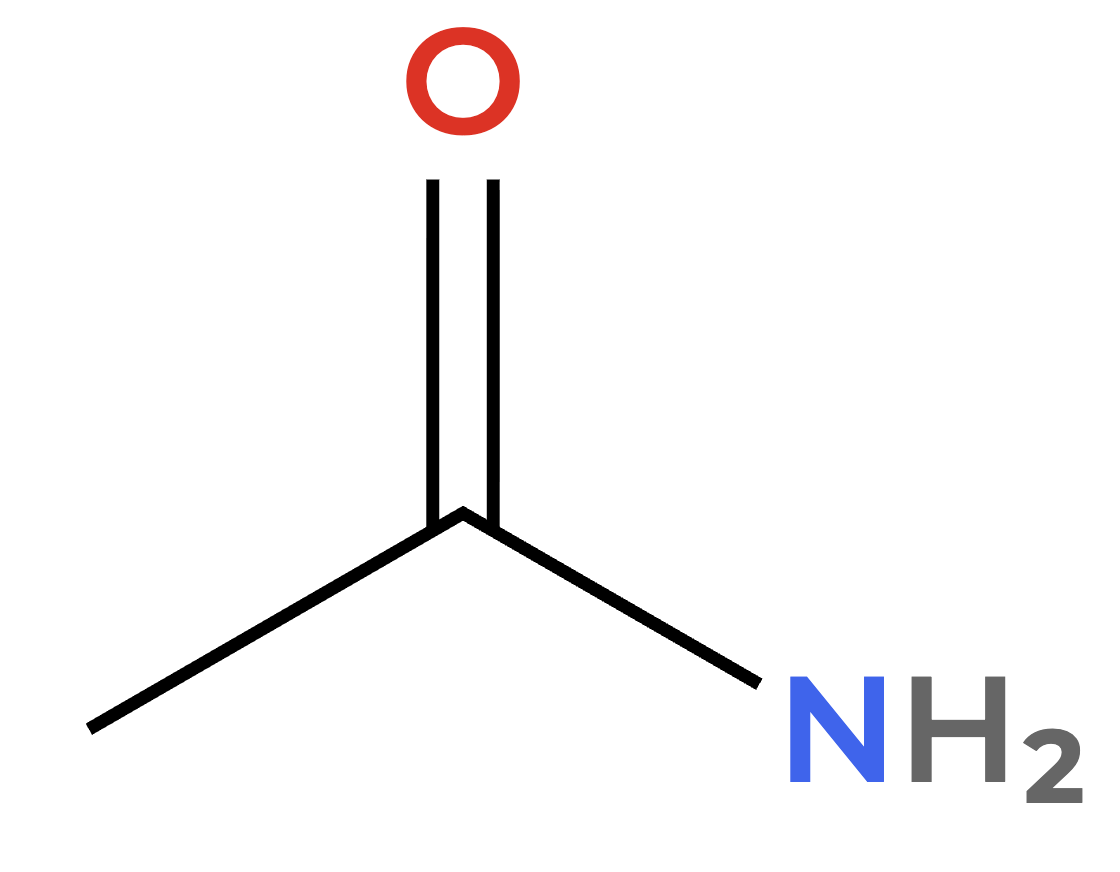
Amide
Pattern: R-CONH₂, R-CONHR, or R-CONR₂
Recognize it: A carbonyl attached directly to nitrogen.
Example: CH₃CONH₂
Pattern to notice
Here is the grouping I want you to catch: carbonyl groups all contain C=O. Aldehydes, ketones, carboxylic acids, esters, and amides are every one of them carbonyl-containing. What is attached to the carbonyl carbon is what decides which functional group you are looking at.
Section 3
Why Formal Charge Matters
A formal charge is the charge assigned to an atom when the electrons in bonds are split equally between bonded atoms. It is not always the same as the real physical charge distribution, but it is the system organic chemists use to keep track of electrons in drawings.
Main idea
Treat formal charges as part of the structure, not an optional add-on. If a charge belongs on an atom and you leave it off, you have drawn the structure wrong.
Section 4
The Formal Charge Formula
Formal charge = valence electrons − nonbonding electrons − number of bonds
FC = (VE) − lone-pair electrons − bonds
The formula works because each bond contributes one electron to the atom when you calculate formal charge. Lone-pair electrons get counted fully, because those belong entirely to that atom.
Example
Oxygen with 1 bond and 3 lone pairs:FC = 6 − 6 − 1 = −1
Section 5
Valence Electrons to Know
For most Organic Chemistry I problems, these are the main valence electron counts you need.
| Atom | Symbol | Valence electrons |
|---|---|---|
| Carbon | C | 4 |
| Nitrogen | N | 5 |
| Oxygen | O | 6 |
| Halogens | F, Cl, Br, I | 7 |
Section 6
Oxygen Patterns
Oxygen normally has 6 valence electrons. The three patterns I want you to know cold are neutral, negative, and positive.
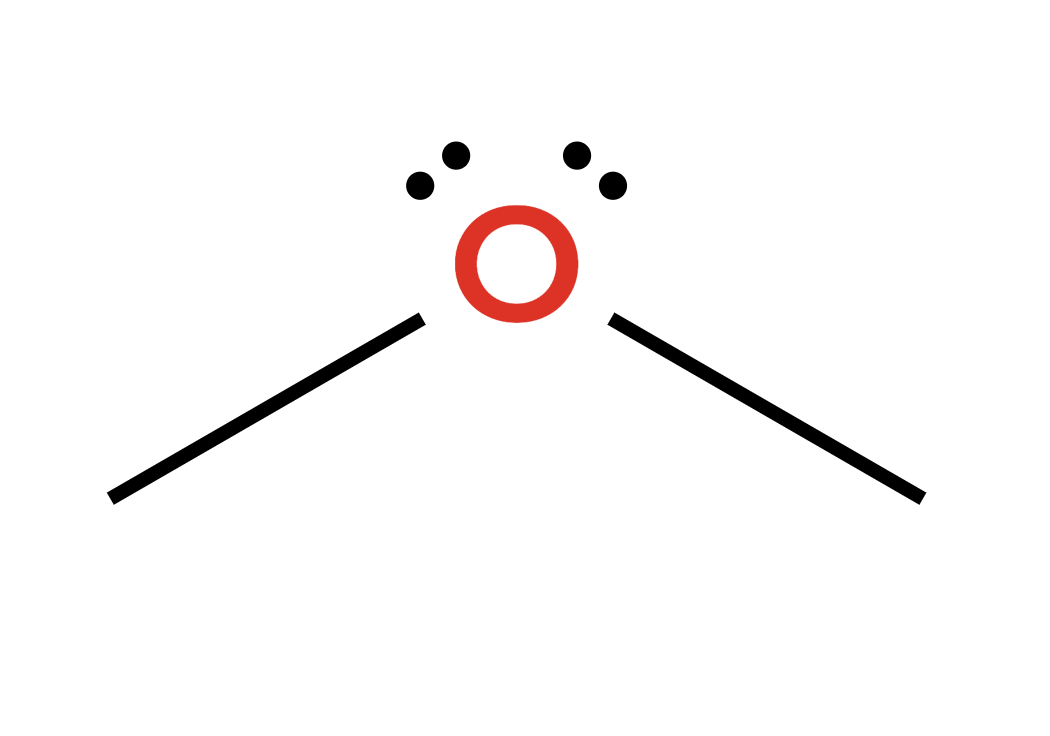
Neutral oxygen
2 bonds + 2 lone pairs
FC = 6 − 4 − 2 = 0
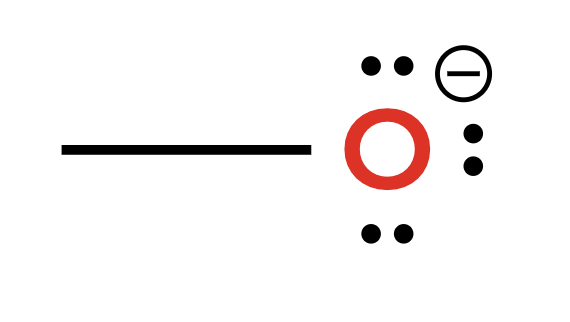
Negative oxygen
1 bond + 3 lone pairs
FC = 6 − 6 − 1 = −1
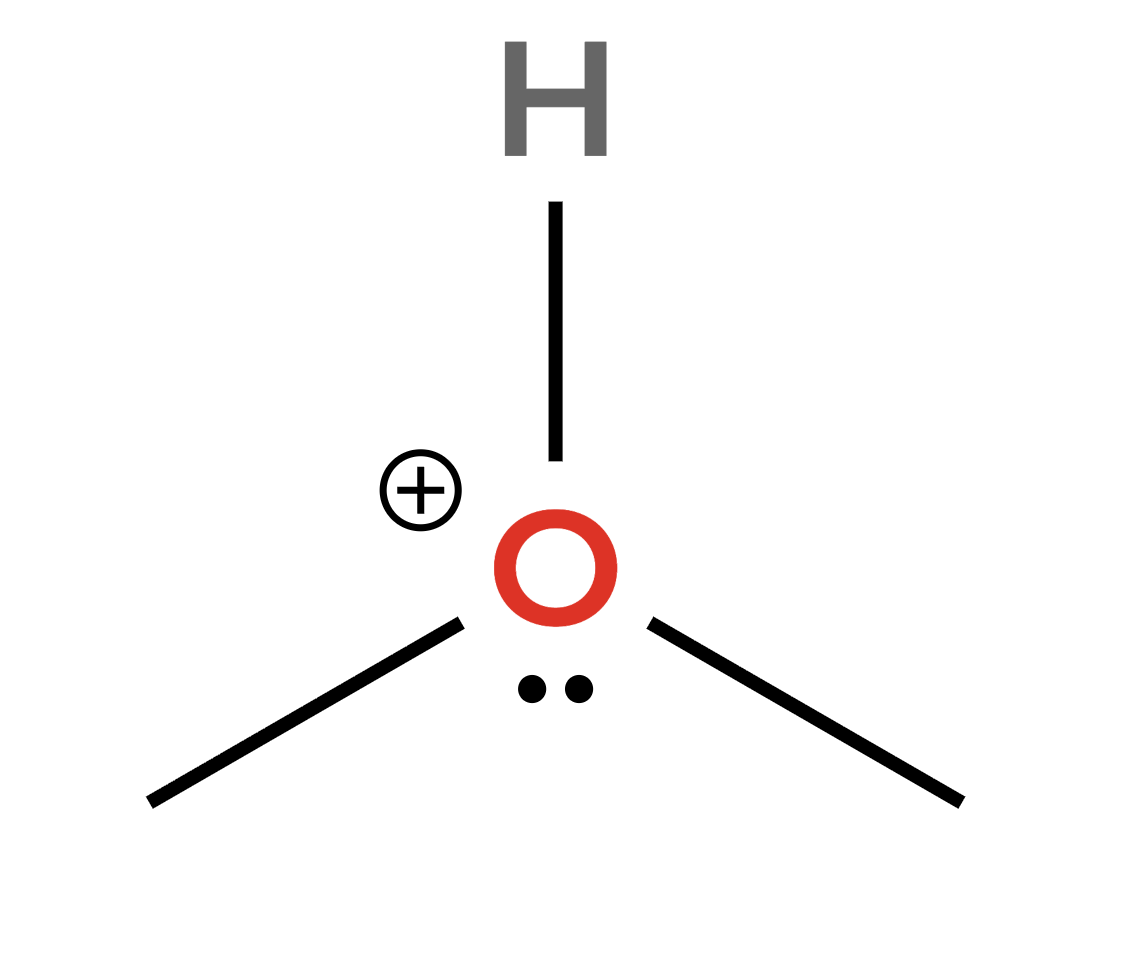
Positive oxygen
3 bonds + 1 lone pair
FC = 6 − 2 − 3 = +1
Section 7
Nitrogen Patterns
Nitrogen normally has 5 valence electrons. Its charge comes down to how many bonds and lone pairs it carries.
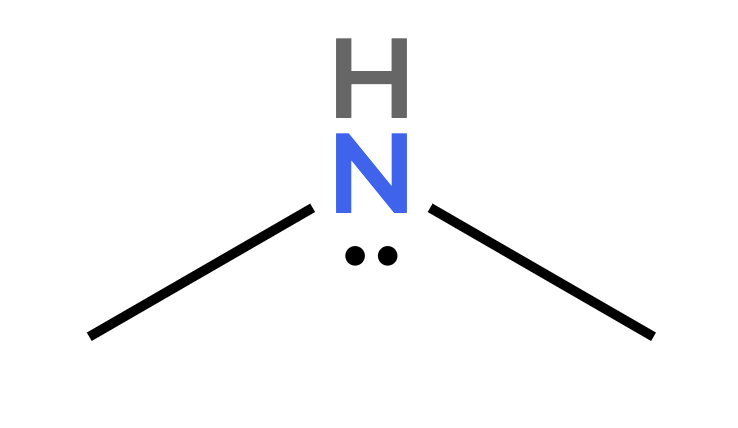
Neutral nitrogen
3 bonds + 1 lone pair
FC = 5 − 2 − 3 = 0
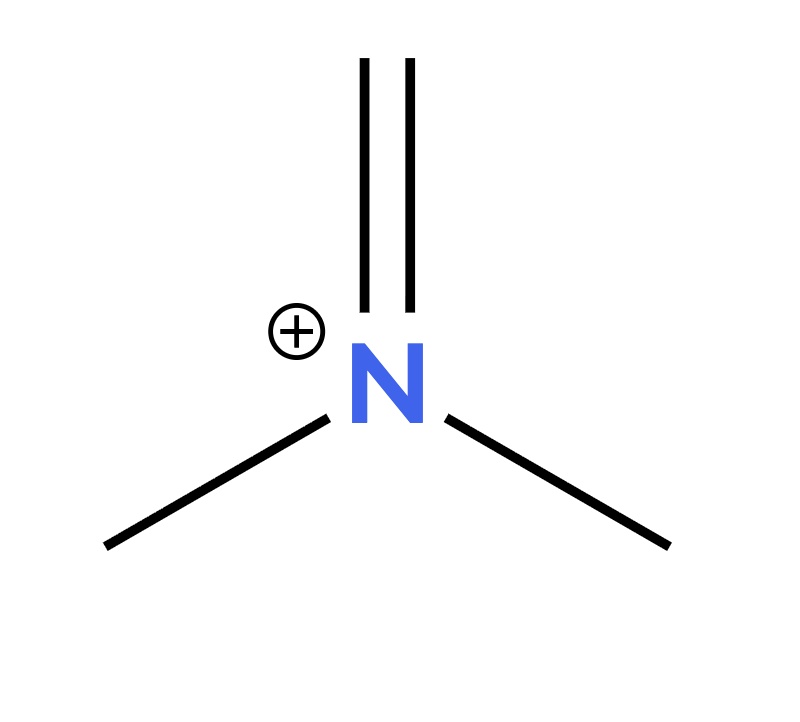
Positive nitrogen
4 bonds + 0 lone pairs
FC = 5 − 0 − 4 = +1
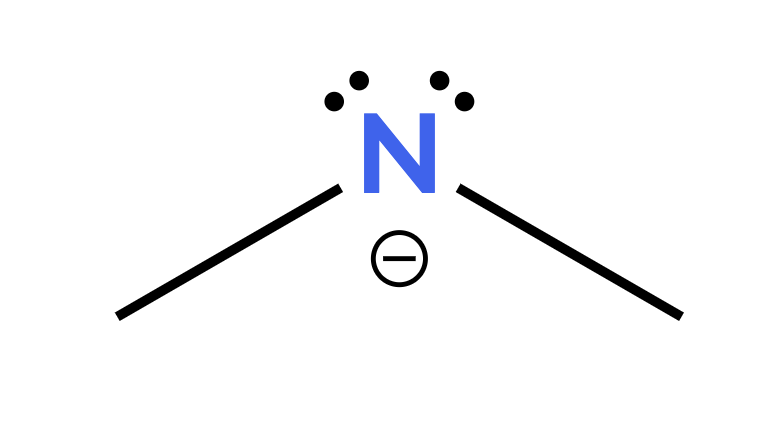
Negative nitrogen
2 bonds + 2 lone pairs
FC = 5 − 4 − 2 = −1
Section 8
Carbon Patterns
Carbon normally has 4 valence electrons. Neutral carbon has 4 bonds. For Organic Chemistry I, charged carbons can ONLY have 3 bonds. The thing that flips it positive or negative is whether there is a lone pair or not. In both examples below, the middle carbon only has 3 bonds (2 visible C-C bonds, and one invisible C-H bond).
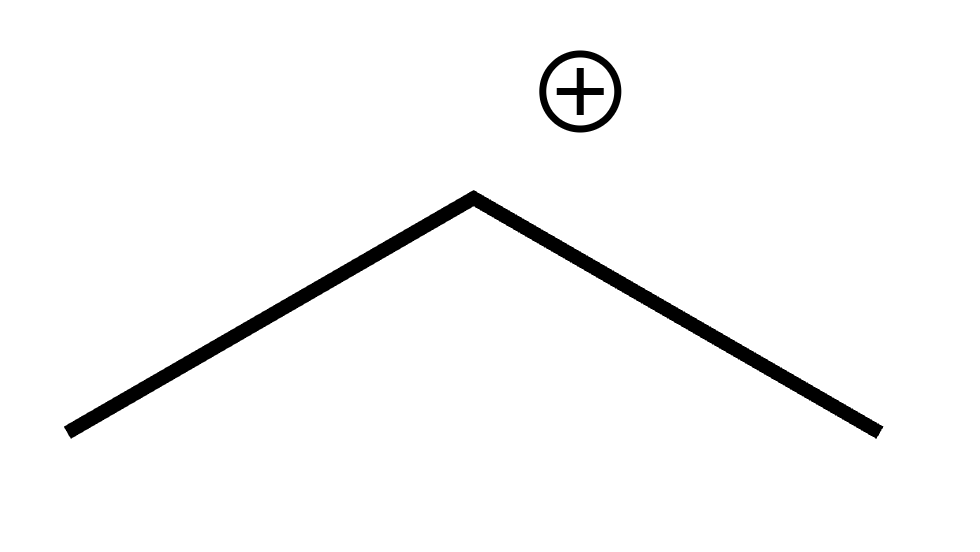
Carbocation
3 bonds + no lone pair
FC = 4 − 0 − 3 = +1
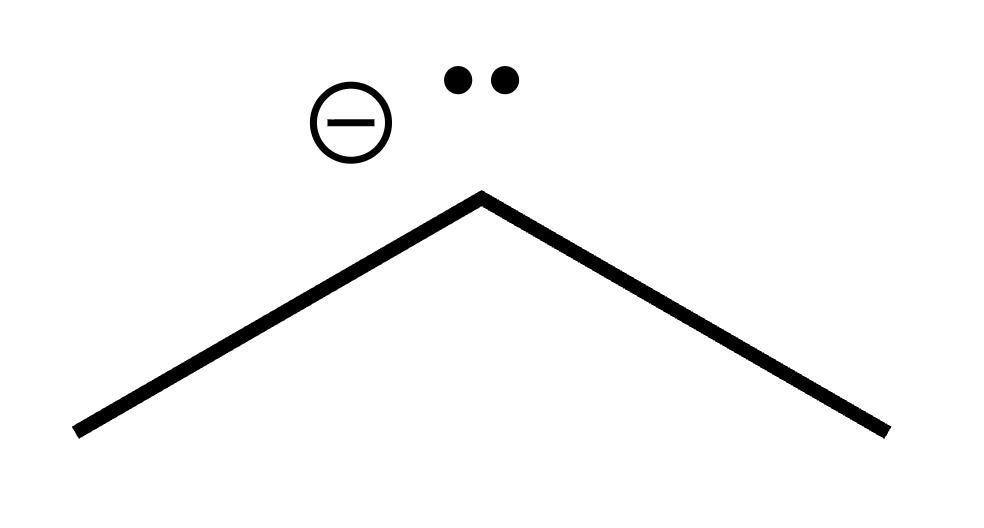
Carbanion
3 bonds + 1 lone pair
FC = 4 − 2 − 3 = −1
Section 9
Fast Recognition Table
You should know how to calculate formal charge, but my goal for you is to reach the point where you recognize these common patterns on sight, no formula needed.
| Atom | Neutral | Positive | Negative |
|---|---|---|---|
| Carbon | 4 bonds | 3 bonds, no lone pair | 3 bonds + 1 lone pair |
| Nitrogen | 3 bonds + 1 lone pair | 4 bonds, no lone pair | 2 bonds + 2 lone pairs |
| Oxygen | 2 bonds + 2 lone pairs | 3 bonds + 1 lone pair | 1 bond + 3 lone pairs |
| Halogen | 1 bond + 3 lone pairs | Rare in basic ochem | 0 bonds + 4 lone pairs |
Section 10
Common Mistakes
Practice Set
Try each question before opening the answer.
1. Oxygen has 1 bond and 3 lone pairs. What is the formal charge?
Answer: −1. FC = 6 − 6 − 1 = −1.
2. Oxygen has 2 bonds and 2 lone pairs. What is the formal charge?
Answer: 0. FC = 6 − 4 − 2 = 0.
3. Oxygen has 3 bonds and 1 lone pair. What is the formal charge?
Answer: +1. FC = 6 − 2 − 3 = +1.
4. Nitrogen has 4 bonds and no lone pairs. What is the formal charge?
Answer: +1. FC = 5 − 0 − 4 = +1.
5. Carbon has 3 bonds and no lone pair. What is the formal charge?
Answer: +1. FC = 4 − 0 − 3 = +1.
6. Carbon has 3 bonds and 1 lone pair. What is the formal charge?
Answer: −1. FC = 4 − 2 − 3 = −1.
Ready for a bigger set?
Work through the full Formal Charge practice page with more questions on oxygen, nitrogen, carbon, lone pairs, missing charges, carbocations, carbanions, and fast charge recognition.
Do More Formal Charge PracticeLesson Summary
Formal charge compares how many valence electrons an atom should have with how many it appears to have in the drawing. Use the formula first, then drill the common patterns for carbon, nitrogen, oxygen, and halogens until they are automatic. Missing a formal charge is not a small detail. It changes the structure.