Organic Chemistry I · Formal Charge Practice
Formal Charge Practice Questions
Work through these slowly. Formal charge is not understood by guessing. Count valence electrons, lone-pair electrons, and bonds.
Core Formula
Formal charge = valence electrons − nonbonding electrons − bonds
FC = (VE) − lone-pair electrons − bonds
Valence electrons
The normal outer-shell electron count for that atom.
Nonbonding electrons
Lone-pair electrons. Each lone pair counts as 2 electrons.
Bonds
Count each bond line attached to the atom as 1.
Part A
Calculate Formal Charge
Try the calculation before opening the answer.
Question 1
Oxygen with 1 bond and 3 lone pairs
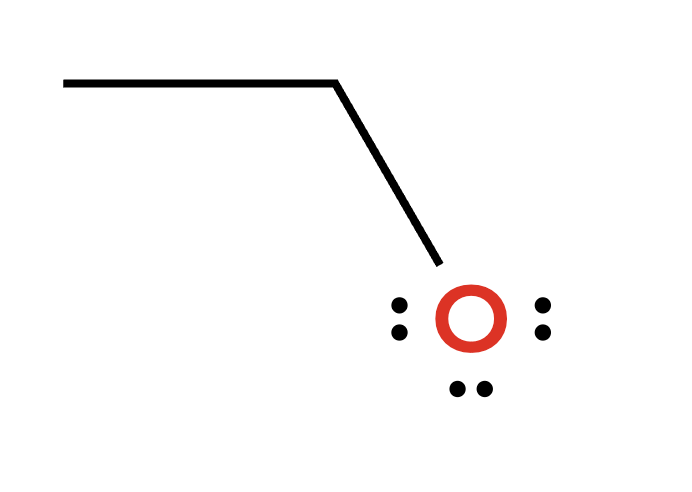
Calculate the formal charge on oxygen.
Show answer
−1
Oxygen has 6 valence electrons. It has 6 nonbonding electrons from 3 lone pairs and 1 bond. FC = 6 − 6 − 1 = −1.
Question 2
Oxygen with 2 bonds and 2 lone pairs
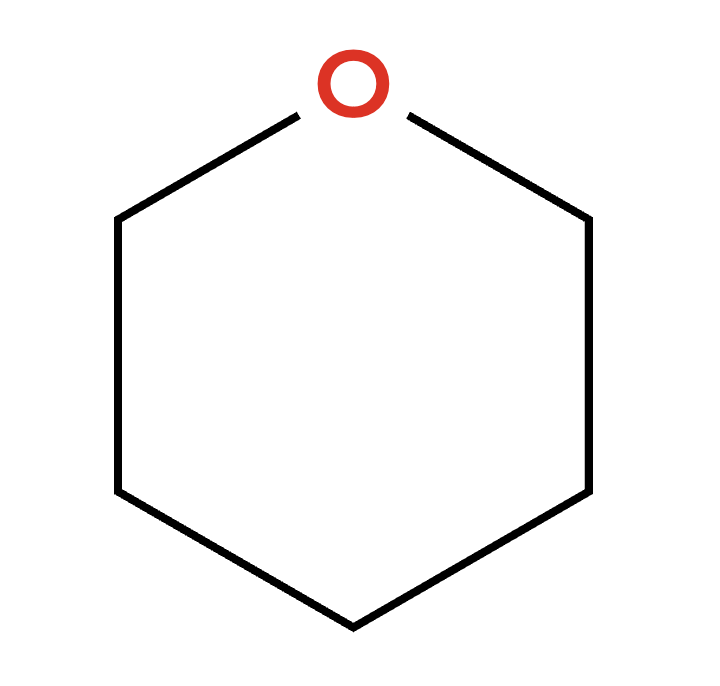
Calculate the formal charge on oxygen.
Show answer
0
Oxygen has 6 valence electrons. It has 4 nonbonding electrons and 2 bonds. FC = 6 − 4 − 2 = 0.
Question 3
Oxygen with 3 bonds and 1 lone pair
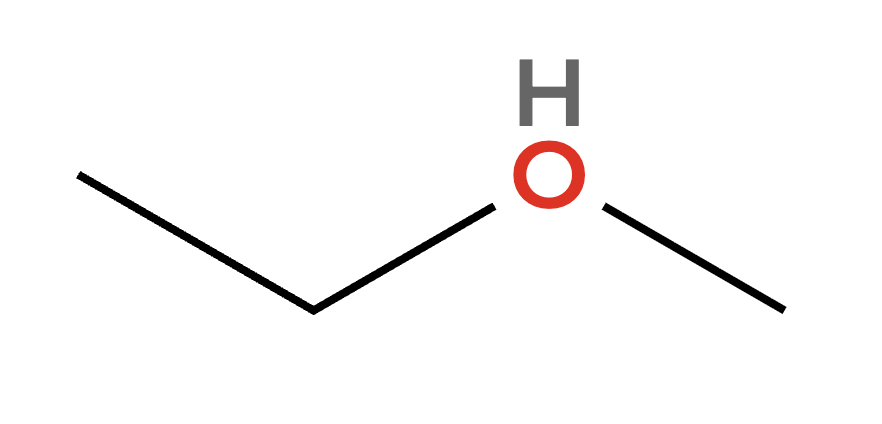
Calculate the formal charge on oxygen.
Show answer
+1
Oxygen has 6 valence electrons. It has 2 nonbonding electrons and 3 bonds. FC = 6 − 2 − 3 = +1.
Question 4
Nitrogen with 3 bonds and 1 lone pair
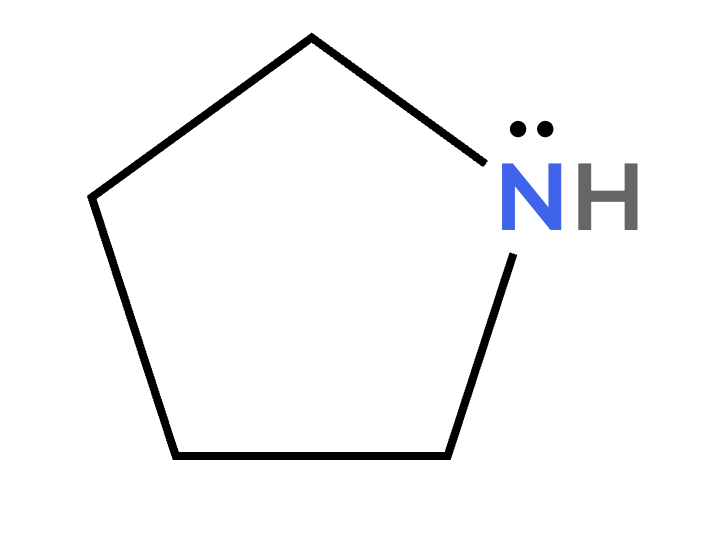
Calculate the formal charge on nitrogen.
Show answer
0
Nitrogen has 5 valence electrons. It has 2 nonbonding electrons and 3 bonds. FC = 5 − 2 − 3 = 0.
Question 5
Nitrogen with 4 bonds and no lone pair
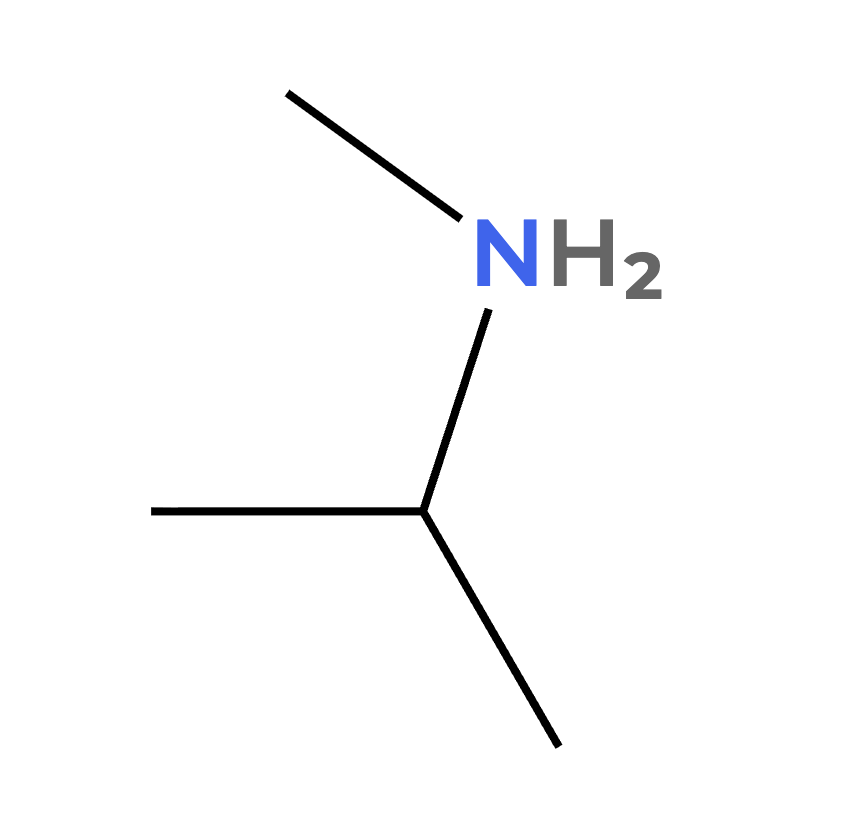
Calculate the formal charge on nitrogen.
Show answer
+1
Nitrogen has 5 valence electrons. It has 0 nonbonding electrons and 4 bonds. FC = 5 − 0 − 4 = +1.
Question 6
Nitrogen with 2 bonds and 2 lone pairs
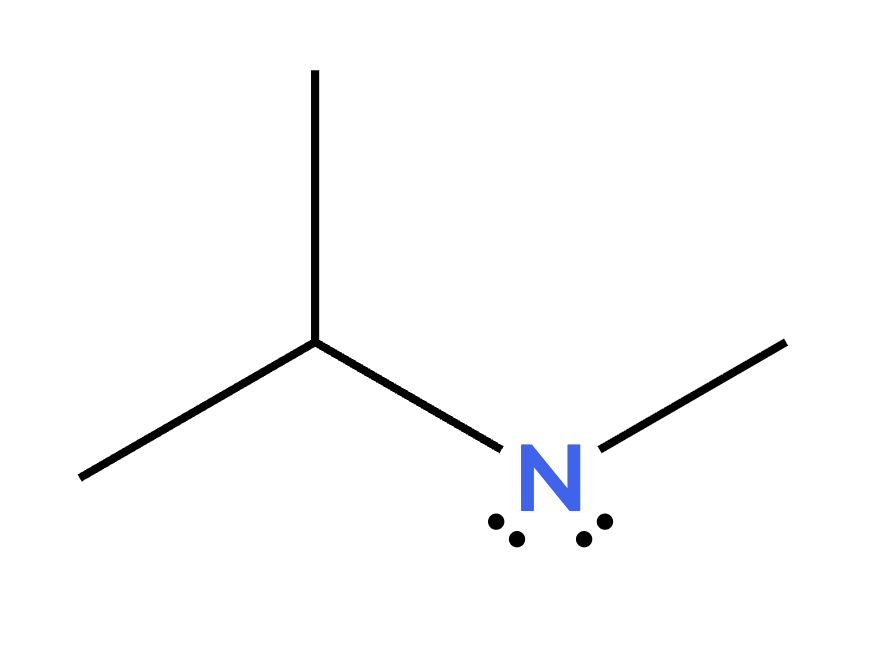
Calculate the formal charge on nitrogen.
Show answer
−1
Nitrogen has 5 valence electrons. It has 4 nonbonding electrons and 2 bonds. FC = 5 − 4 − 2 = −1.
Question 7
Carbon with 3 bonds and no lone pair
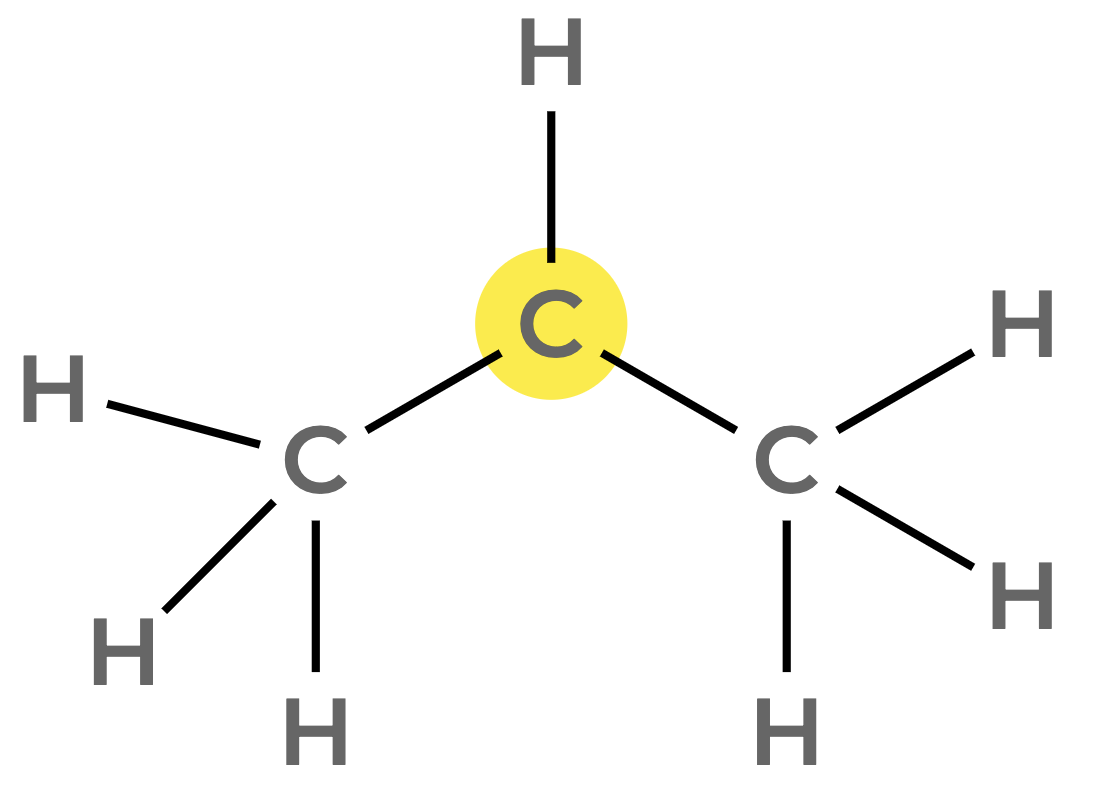
Calculate the formal charge on the highlighted carbon.
Show answer
+1
Carbon has 4 valence electrons. It has 0 nonbonding electrons and 3 bonds. FC = 4 − 0 − 3 = +1.
Question 8
Carbon with 3 bonds and 1 lone pair

Calculate the formal charge on carbon.
Show answer
−1
Carbon has 4 valence electrons. It has 2 nonbonding electrons and 3 bonds. FC = 4 − 2 − 3 = −1.
Part B
Fast Pattern Recognition
These should become automatic. First calculate them. Later, recognize them immediately.
1. A neutral oxygen usually has how many bonds and lone pairs?
2 bonds and 2 lone pairs.
2. A negatively charged oxygen usually has how many bonds and lone pairs?
1 bond and 3 lone pairs.
3. A positively charged oxygen usually has how many bonds and lone pairs?
3 bonds and 1 lone pair.
4. A neutral nitrogen usually has how many bonds and lone pairs?
3 bonds and 1 lone pair.
5. A positively charged nitrogen usually has how many bonds and lone pairs?
4 bonds and no lone pairs.
6. A negatively charged nitrogen usually has how many bonds and lone pairs?
2 bonds and 2 lone pairs.
7. A carbocation usually has how many bonds and lone pairs?
3 bonds and no lone pair.
8. A carbanion usually has how many bonds and lone pairs?
3 bonds and 1 lone pair.
Part C
Find the Error
These questions train you to spot incomplete or impossible structures.
Error Check 1
Oxygen Issue
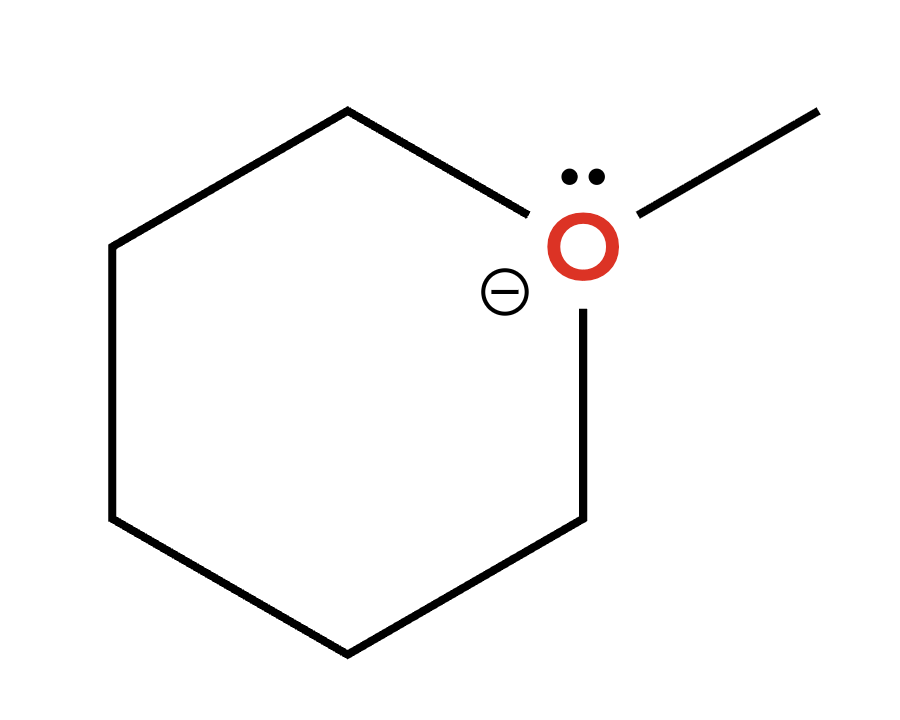
This oxygen is labelled incorrectly. What is wrong?
Show explanation
The oxygen has a negative charge, but this must be positive. Oxygen with 3 bonds and 1 lone pair has formal charge +1.
Error Check 2
Nitrogen Issue
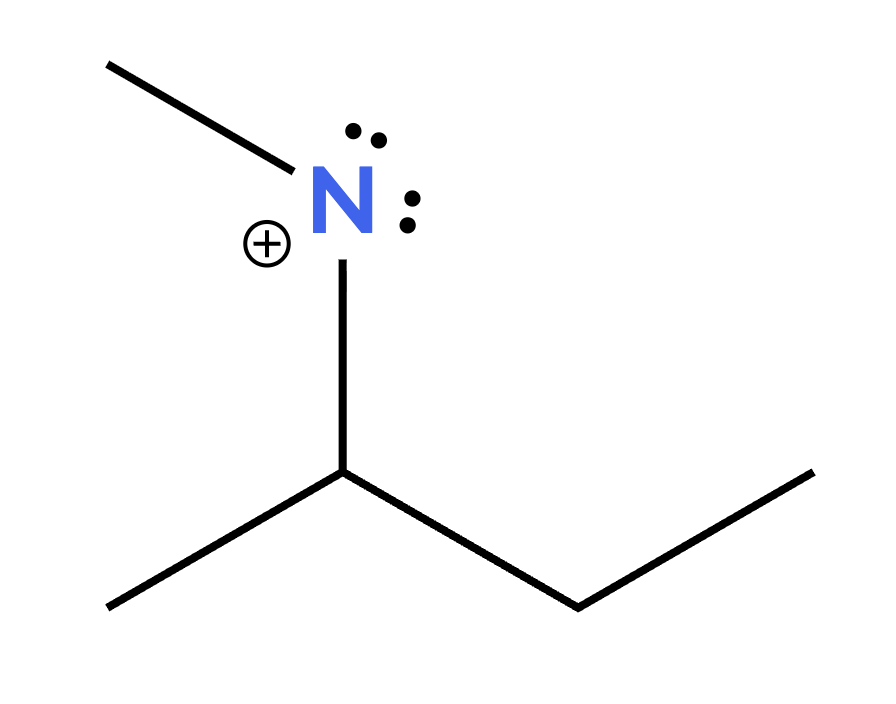
This nitrogen is labelled incorrectly. What is wrong?
Show explanation
The nitrogen has a positive charge, but this must be negative. Nitrogen with 2 bonds and 2 lone pairs has formal charge -1.
Error Check 3
Carbon Issue
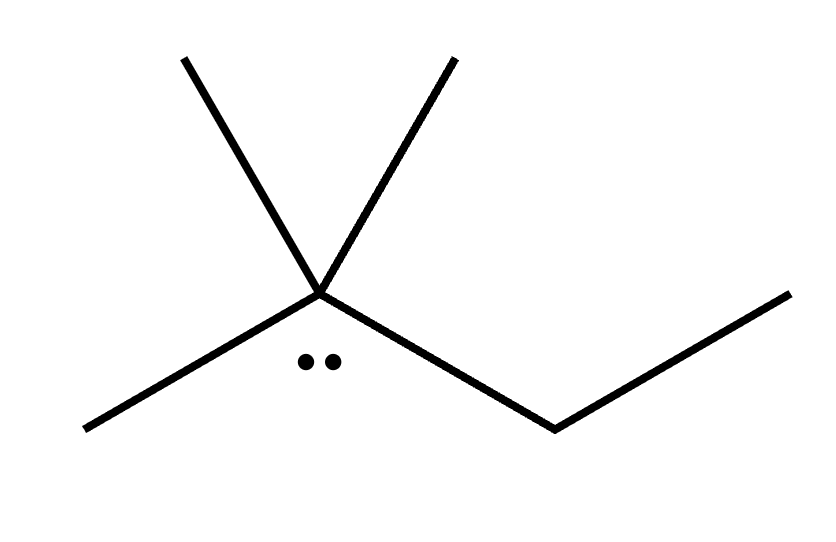
What is wrong with this carbon structure?
Show explanation
Carbon is drawn with five electron domains (4 bonds + a lone pair). That is not allowed for normal organic structures, as carbon cannot exceed four distinct domains. We will expand upon this in the next topic, but ALL second row elements (C, N, O, and F) CANNOT have more than four electron domains.
Error Check 4
Chloride

What is wrong with this chlorine?
Show explanation
The charge. Chlorine has 7 valence electrons. Here it has 8 nonbonding electrons and 0 bonds. FC = 7 − 8 − 0 = −1.
Practice Summary